
Apizza
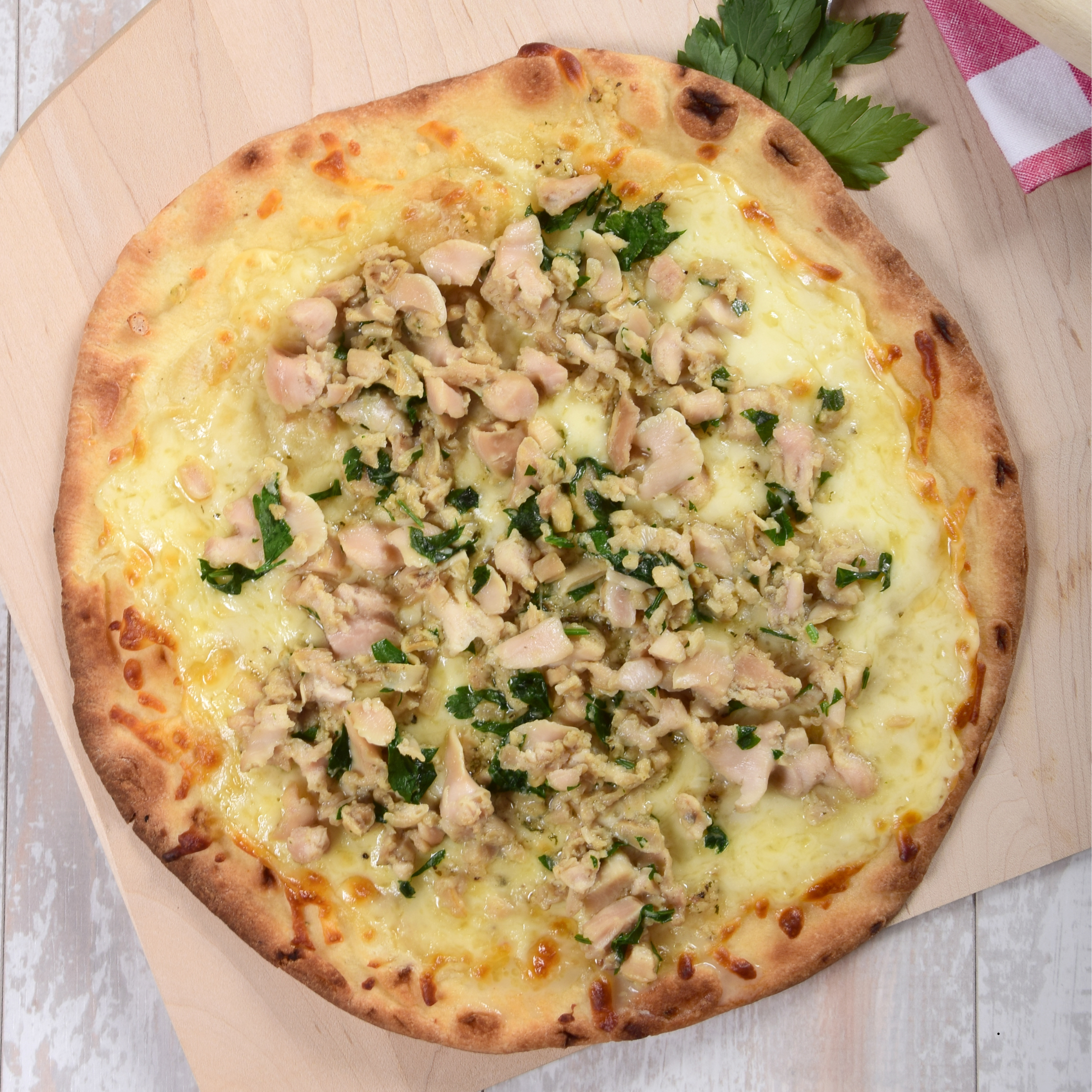
© sbossert via Canva.com
Quick Bite
A coal-fired, thin-crust pizza from New Haven, Connecticut, often topped with clams or simple tomato sauce.
History
Apizza, pronounced “ah-beetz,” originated in New Haven, Connecticut, with Italian immigrants in the early 20th century.
Cooked in coal-fired ovens, it has a chewy, charred crust and is considered one of America’s best regional pizzas. Frank Pepe Pizzeria Napoletana is the most famous origin point.
Fun Facts
- Apizza is known for its coal-fired char.
- White Clam Pizza is a legendary local creation.
- The pronunciation reflects Neapolitan dialect roots.
Where to Try
Frank Pepe Pizzeria Napoletana
New Haven, Connecticut
Sally’s Apizza
New Haven, Connecticut
Modern Apizza
New Haven, Connecticut
Also Known As
New Haven Style Pizza

Recipe
Ingredients
For the dough
For the toppings
Instructions
- Make the dough: Weigh your flour, or measure it by gently spooning it into a cup, then sweeping off any excess.
- In a medium bowl, whisk together the flour, salt, and yeast until well combined.
- Add the water and mix until combined and homogenous.
- Use your hands to knead it until smooth, about 2–3 minutes.
- Cover the dough and place in a warm spot, about 70°F to 75°F, to rest for 1 hour.
- Divide the dough: On a lightly floured surface, divide the dough in half.
- Form each piece into a tight round and place seam-side down in a medium, lightly greased 1-quart container.
- The dough will double in size.
- Cover the container with a lid and refrigerate it for at least 48 hours and up to 4 days.
- Bring dough to room temperature: After the cold rest, remove the dough and allow it to sit at room temperature, still in its container, for 3–5 hours before use.
- In a warmer environment, aim toward the lower end of the time range. In a colder one, use the higher end.
- Prepare the topping: Shortly before shaping the pizzas, drain the clams thoroughly.
- Gently blot away excess moisture to help keep the crust crisp.
- Combine the clams, minced garlic, and olive oil in a bowl.
- Preheat the oven: One hour before baking, preheat the oven to 500°F.
- Place a baking steel or stone on a rack in the lower third and leave an empty oven rack in the upper third.
- Shape the dough: Working with one container of dough at a time, remove the lid and invert the dough onto a well-floured surface.
- After about a minute, the dough should release from the container and fall onto the work surface in a round.
- Without distorting the round dough, flip it over so both sides are coated with flour.
- Pat and press to flatten and extend the round, starting first with the edges and working toward the center.
- Once the dough is flattened and degassed, use a rolling pin to roll it to an even thickness of ⅛ inch and a rough 13-inch diameter.
- While rolling, invert the dough and flour the surface as necessary to prevent sticking.
- If the dough resists rolling, set it aside for 10 minutes to relax.
- Transfer the shaped dough to a wooden or metal peel lightly dusted with semolina or cornmeal.
- If the dough retracts when transferring it to the peel, gently re-form it.
- Bake the pizza: Evenly distribute half the clam, garlic, and olive oil mixture over the surface of the dough, leaving a small border.
- Sprinkle on half the Pecorino Romano.
- Reserve the remaining clam mixture and cheese for the second pizza.
- Sprinkle with half the dried oregano and black pepper.
- Use the peel to transfer the pizza onto the steel.
- Bake for 5 minutes.
- Check the bottom of the crust. It should be spotted and charred in places, and the edge crust should start to have some color.
- If not, rotate the pizza and bake for another 1–2 minutes.
- When the bottom has sufficient color, transfer the pizza to the top rack.
- Switch the oven to broil and broil for 2–3 minutes, until well-charred in spots.
- Do not walk away. Pizza can go from perfectly charred to burnt quickly.
- Home ovens vary, so use visual cues and your own preference to judge the perfect bake.
- Cool and repeat: Remove the pizza from the oven and cool briefly on a wire rack before slicing and serving.
- Return the oven to bake mode and let the steel come back to temperature.
- Meanwhile, shape and top the second round of dough.
- Bake according to the same instructions.
Recipe note: Traditional New Haven white clam apizza uses freshly shucked clams,
garlic, olive oil, oregano, and Pecorino Romano, without tomato sauce or mozzarella.
This home version uses canned clams for convenience. Drain them thoroughly to help keep the crust crisp.
The clams and cheese supply salt, so additional salt is usually unnecessary.
