
Piki Bread
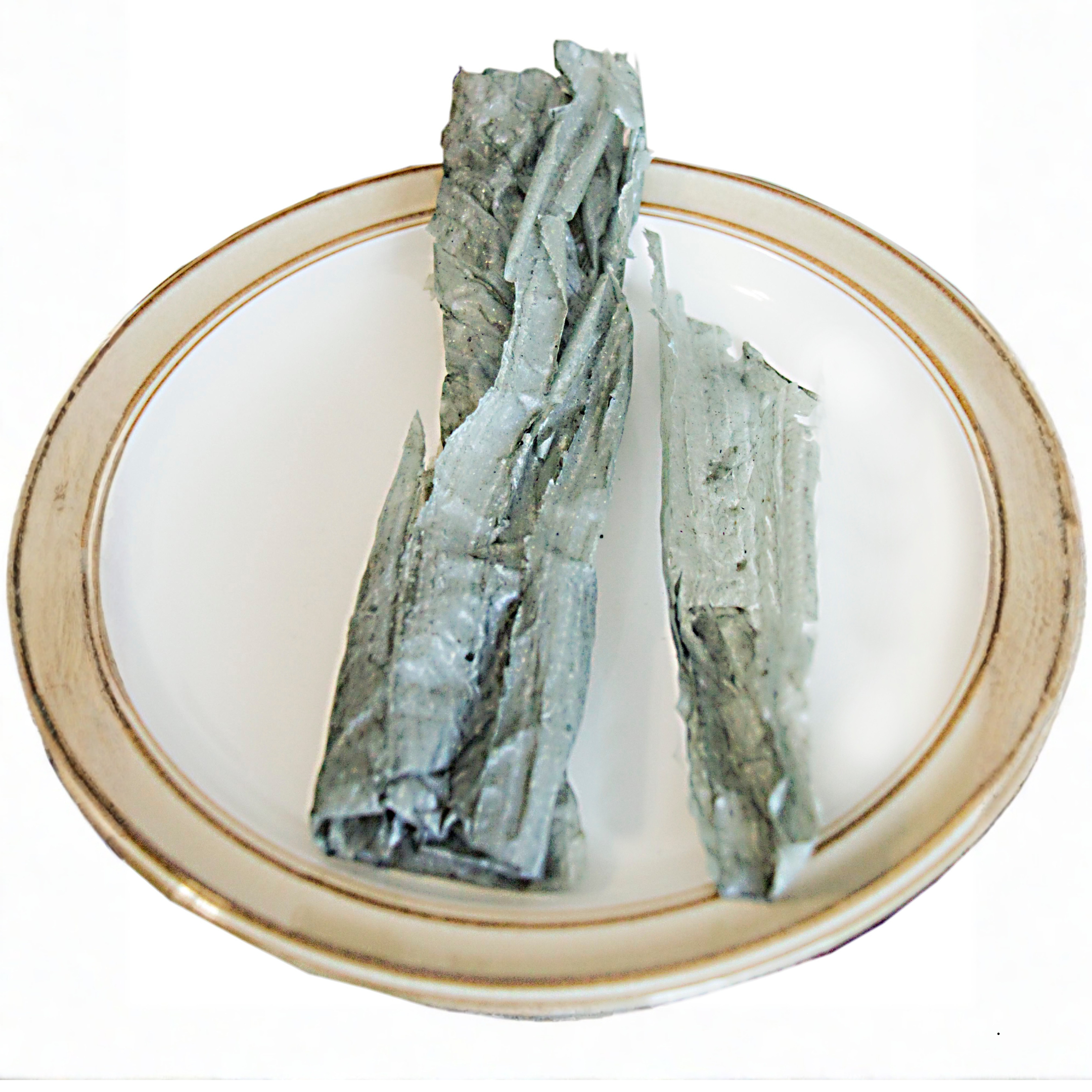
© LAWaterhousePhotography via Canva.com
Quick Bite
Piki bread is a traditional, paper-thin, crispy bread of the Hopi people in Arizona, made from finely ground blue cornmeal, water, and ashes from native plants like juniper.
History
Piki bread is a traditional Hopi food from northeastern Arizona, dating back hundreds of years. Made from blue cornmeal mixed with juniper ash and water, it is spread by hand in paper-thin layers onto a hot stone to bake into delicate sheets.
Its origins come from ancient Southwestern corn traditions, specifically the Hopi people’s use of blue corn, which is sacred and symbolizes life, rain, and fertility. Piki was developed as both a nutritious, portable food and a ceremonial bread, used in weddings, harvests, and religious observances.
The skill of making piki is traditionally passed from Hopi mothers to daughters, symbolizing patience, spirituality, and cultural identity. Today, it remains a vital expression of Hopi heritage, still prepared on the mesas of northern Arizona using methods nearly unchanged for centuries.
Fun Facts
- Because it is so thin and dry, piki can last for weeks without spoiling.
- That long shelf life made it ideal for desert living before refrigeration.
- Each sheet takes just seconds to cook, but the full preparation can take hours.
- Instead of baking powder or yeast, the batter includes ash from burned juniper branches.
- The ash makes the mixture alkaline, enhancing both nutrition and flavor.
Where to Try

Recipe
Ingredients
Special Equipment
Instructions
- Traditionally, Hopi cooks burn dried juniper branches to white ash.
- Sift the ash and dissolve about 2 tablespoons into 1 cup of warm water.
- Let it settle, then pour off the clear alkaline water from the top. This is used to nixtamalize the cornmeal.
- In a large bowl, combine blue cornmeal with the juniper-ash water.
- Add more plain water gradually until the batter is as thin as heavy cream, much thinner than pancake batter.
- Stir until smooth and lump-free.
- Heat the piki stone, or smooth griddle, over medium heat until hot but not smoking.
- Lightly season it by rubbing a bit of oil or seed mixture over the surface to help prevent sticking.
- Using your hand or a soft cloth, quickly spread a very thin layer of batter across the hot stone in one smooth motion.
- The batter should cook almost instantly, forming a paper-thin sheet.
- After just a few seconds, the edges will dry and lift slightly.
- Carefully peel off the sheet, lay it on a clean cloth, and let it cool.
- Continue until all batter is used, stacking sheets as you go.
- Once cool, the piki sheets can be rolled like scrolls or folded into soft stacks.
- Traditionally, piki is served dry and crisp alongside stews or ceremonial foods.
